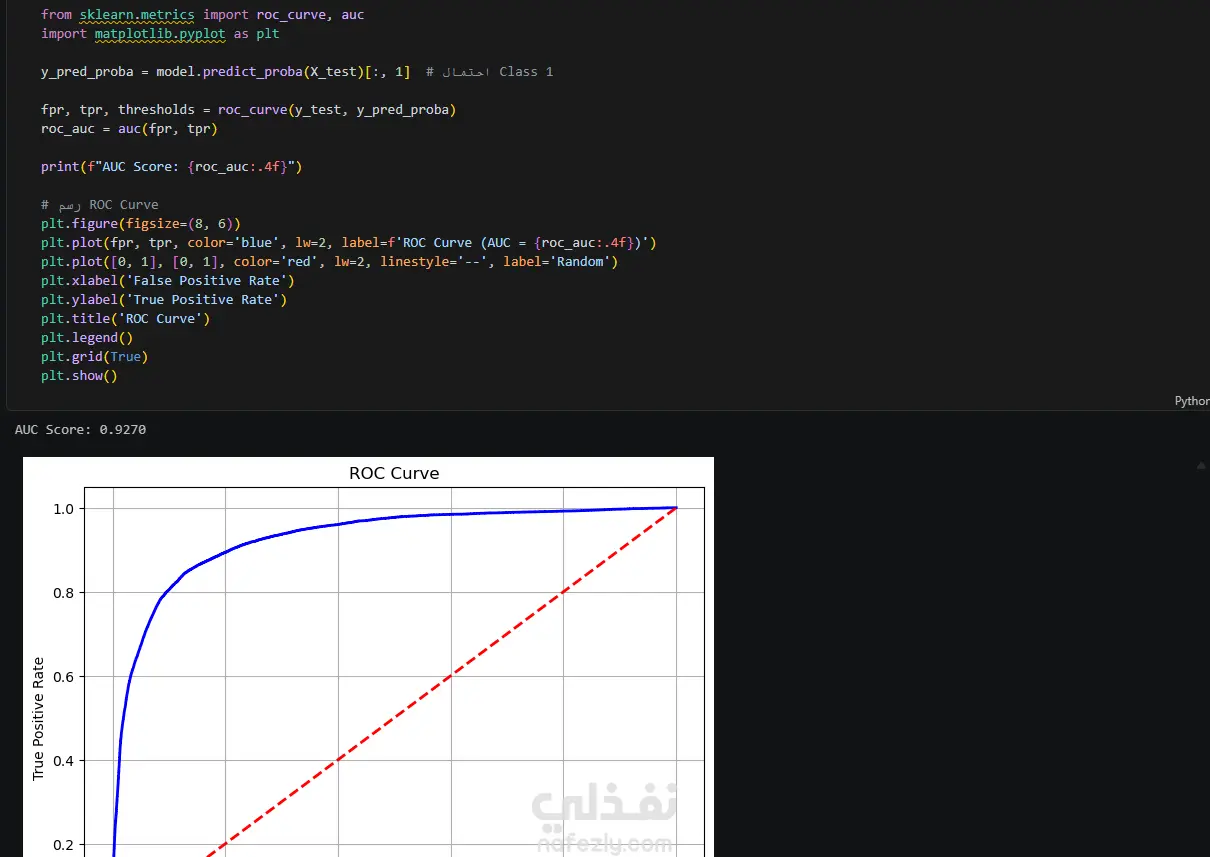
Objective: To predict the severity of Adverse Drug Reactions (ADRs) based on clinical data, classifying them as either "Non-Serious" (mild/moderate) or "Serious" (severe/fatal).
Key Challenges Addressed:
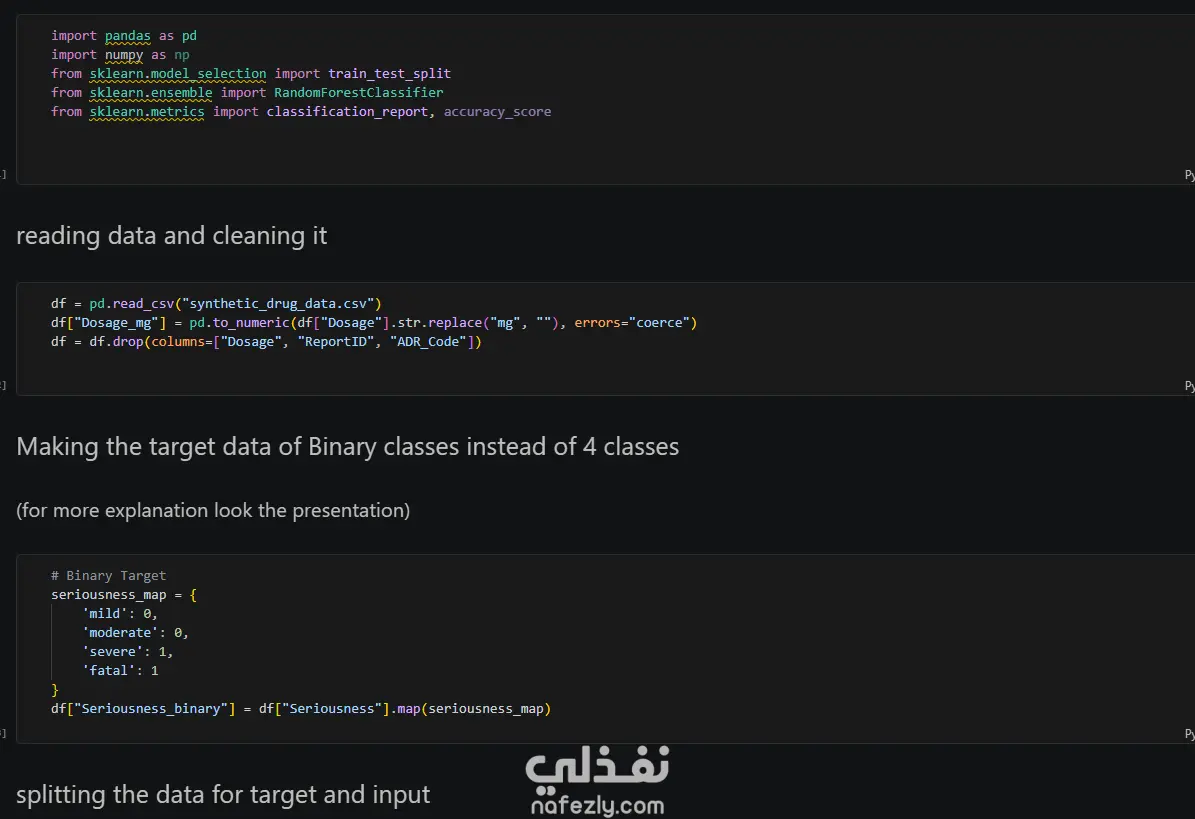
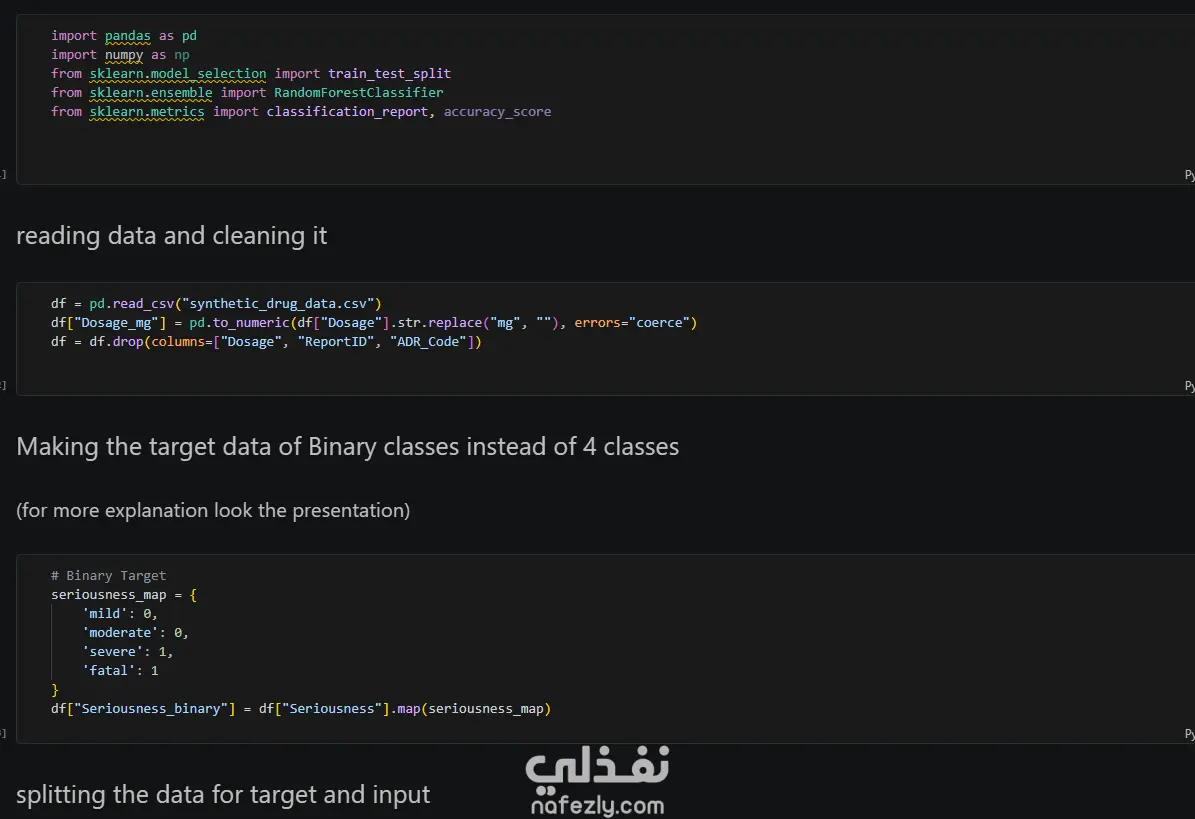
Data Preprocessing: Handled messy clinical strings (e.g., extracting dosage units from text), cleaned concomitant drug lists, and engineered binary target labels from categorical severity levels.
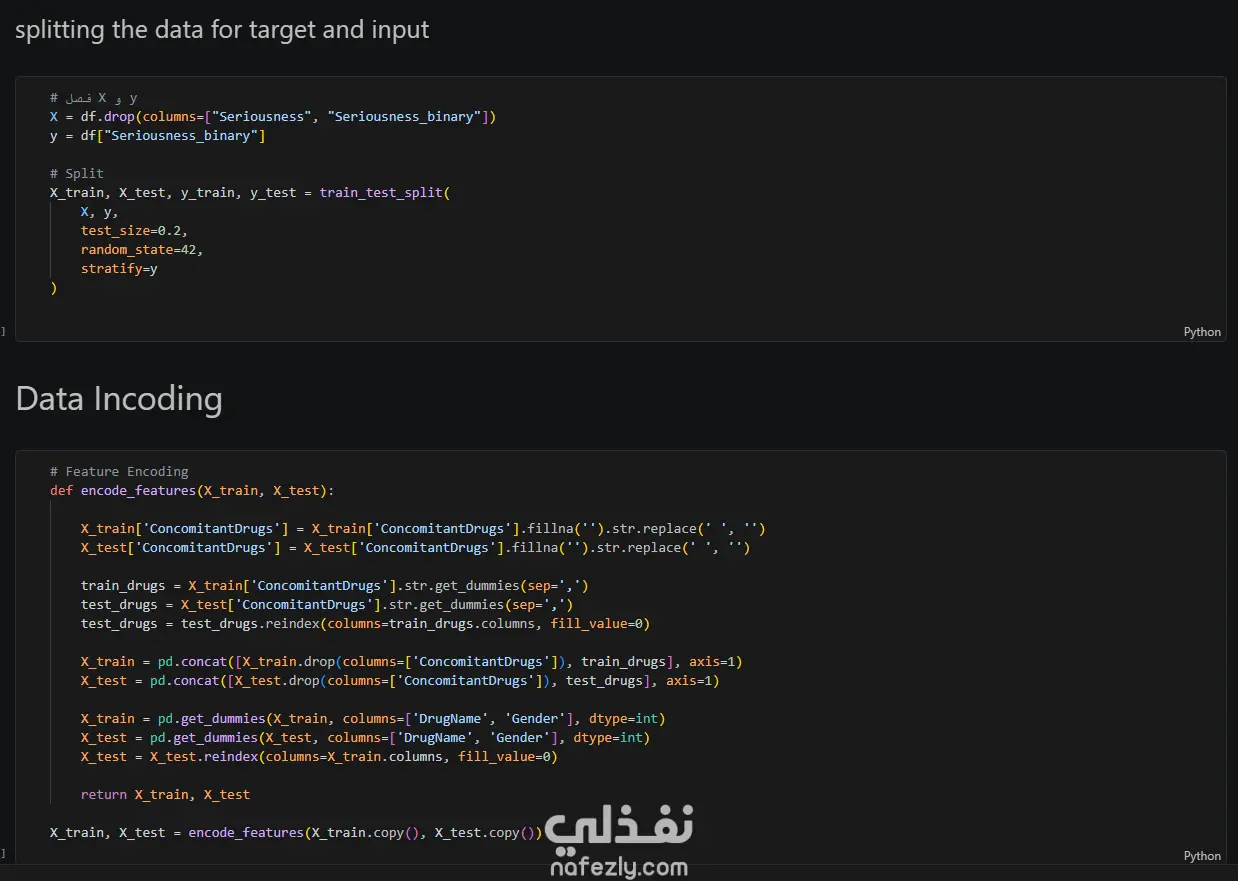
Complex Feature Encoding: Implemented custom feature engineering for multi-category data, using one-hot encoding for categorical variables and multi-label binarization for the 'ConcomitantDrugs' feature to ensure model compatibility.
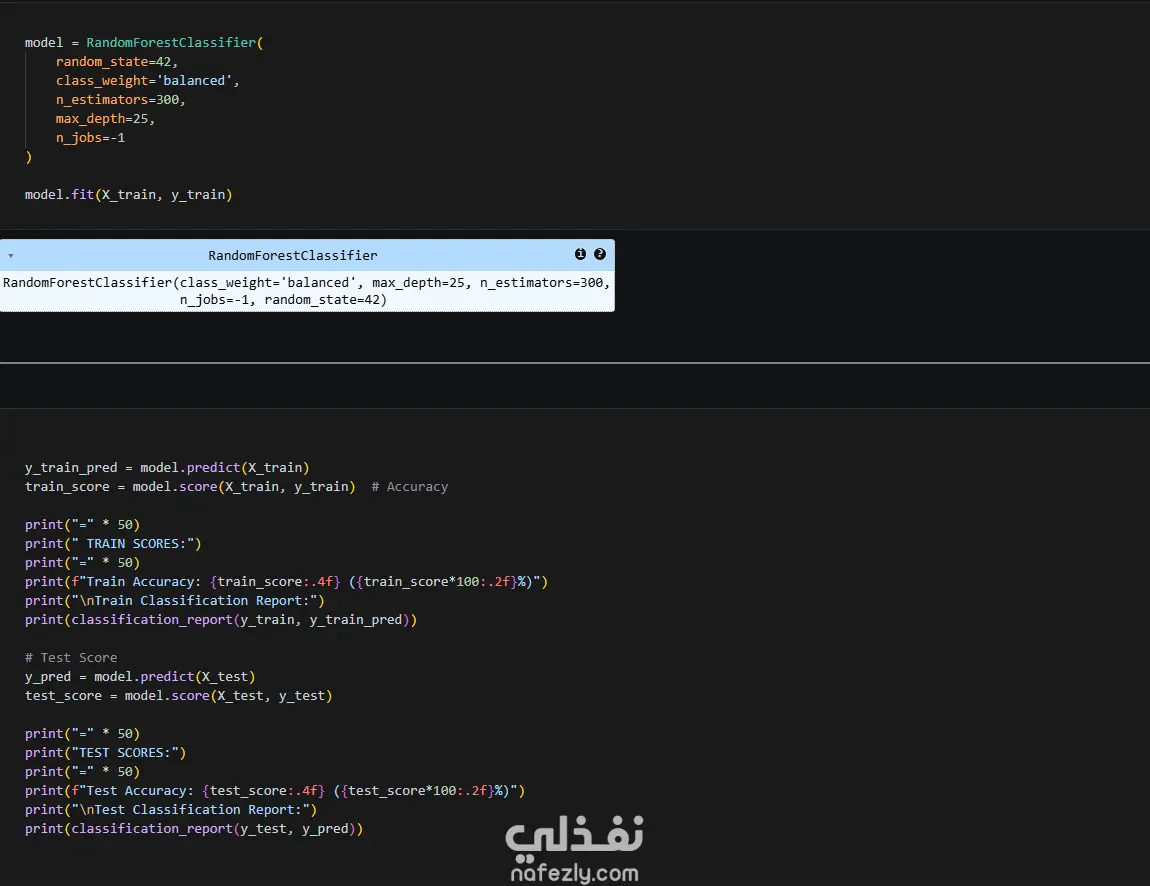
Imbalanced Data Management: Applied class_weight='balanced' in a Random Forest classifier to mitigate the bias typically found in medical severity datasets, where serious events are often underrepresented.
Technical Approach:
Built a robust classification pipeline using Random Forest with 300 estimators, optimized to handle high-dimensional clinical data.
Implemented rigorous validation strategies, including stratified splitting, to maintain class distribution across training and testing sets.
Outcome: Developed a predictive model capable of flagging potentially serious drug reactions, providing a valuable tool for patient safety and clinical decision support.
Tech Stack: Python, Pandas, NumPy, Scikit-learn (RandomForestClassifier)